QUALITÉ DE L’AIR : ACTIVITÉS RECOMMANDÉES
QU’EST-CE QUE LA QUALITÉ DE L’AIR?
La qualité de l’air est une mesure qui indique le risque que représente l’air ambiant pour la santé. La fumée des feux de forêt ou le smog dû à la pollution réduisent la qualité de l’air, ce qui peut être dangereux pour la santé.
Lors d’épisodes de niveaux élevés de pollution de l’air, veillez à ajuster vos activités pour vous protéger et protéger votre famille.
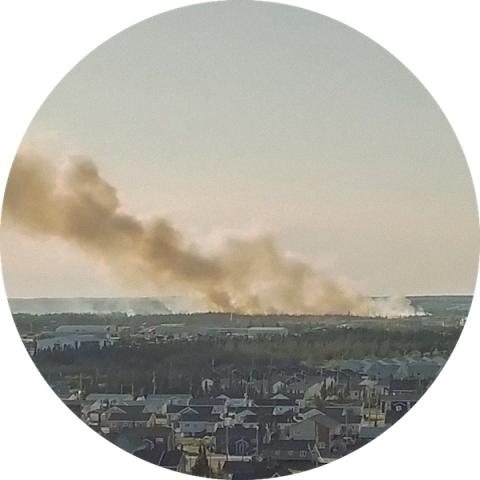
QU’EST-CE QUE LA COTE AIR-SANTÉ?
La cote air-santé (CAS) est une échelle qui vous permet de savoir quel est l’impact de la qualité de l’air qui vous entoure sur votre santé. Elle vous permet de prendre les décisions nécessaires pour protéger votre santé en réduisant votre exposition à la pollution de l’air.
QUE SIGNIFIENT LES CHIFFRES?
RISQUE FAIBLE : 1 À 3
Risque pour la santé : Faible
Population en général : Qualité de l’air sans danger pour faire des activités en plein air.
Population touchée (personnes âgées, jeunes enfants, femmes enceintes et personnes atteintes de problèmes cardiaques ou pulmonaires) : Qualité de l’air sans danger pour faire des activités en plein air.
RISQUE MODÉRÉ : 4 À 6
Risque pour la santé : Faible
Population en général
- Surveillez l’apparition de symptômes, comme des difficultés respiratoires ou une irritation de la gorge ou des yeux.
- Si vous ne présentez aucun symptôme, vous pouvez faire des activités en plein air.
Population touchée (personnes âgées, jeunes enfants, femmes enceintes et personnes atteintes de problèmes cardiaques ou pulmonaires)
- Surveillez l’apparition de symptômes, comme des difficultés respiratoires ou une irritation de la gorge ou des yeux.
- Envisagez de reporter les activités en plein air, comme les sorties pour les aînés ou les jeux en plein air pour les jeunes enfants.
RISQUE ÉLEVÉ : 7 À 10
Risque pour la santé : Élevé
Population en général
-
Continuez de surveiller l’apparition de symptômes, comme des difficultés respiratoires ou une irritation de la gorge ou des yeux.
-
Envisagez de réduire ou de réorganiser les activités exténuantes en plein air, comme couper du bois ou faire du sport.
Population touchée (personnes âgées, jeunes enfants, femmes enceintes et personnes atteintes de problèmes cardiaques ou pulmonaires)
-
Continuez de surveiller l’apparition de symptômes et restez à l’intérieur si possible. Les symptômes comprennent des difficultés respiratoires ou une irritation de la gorge ou des yeux.
-
Évitez les activités exténuantes en plein air, comme jouer, travailler ou faire de l’exercice.
RISQUE TRÈS ÉLEVÉ : PLUS DE 10
Risque pour la santé : Très élevé
Population en général
-
Continuez de surveiller l’apparition de symptômes et restez à l’intérieur si possible. Les symptômes comprennent des difficultés respiratoires ou une irritation de la gorge ou des yeux.
Réduisez ou réorganisez les activités exténuantes en plein air, comme jouer, travailler ou faire de l’exercice.
Population touchée (personnes âgées, jeunes enfants, femmes enceintes et personnes atteintes de problèmes cardiaques ou pulmonaires)
-
Continuez de surveiller l’apparition de symptômes et restez autant que possible à l’intérieur. Les symptômes comprennent des difficultés respiratoires ou une irritation de la gorge ou des yeux.
-
Évitez les activités exténuantes en plein air, comme jouer, travailler ou faire de l’exercice.
QUE FAIRE SI VOUS PRÉSENTEZ DES SYMPTÔMES?
Cessez toute activité et restez à l’intérieur. Assurez-vous que les fenêtres et les portes sont fermées.
Si vous êtes atteint(e) d’asthme ou d’une autre affection respiratoire, utilisez votre inhalateur au besoin.
Composez le 811 (problème de santé non urgent) ou communiquez avec le CMC si vous continuez à ne pas vous sentir bien ou si vos symptômes sont graves.
811 - INFOS SANTÉ NON URGENTES
Le 811 est un service de consultation téléphonique gratuit et confidentiel sur la santé, disponible dans tout l'Eeyou Istchee et au Québec. Le service est disponible 24 heures par jour, 365 jours par an. Une infirmière du 811 répondra aux questions sur les problèmes de santé non urgents.
En savoir plus
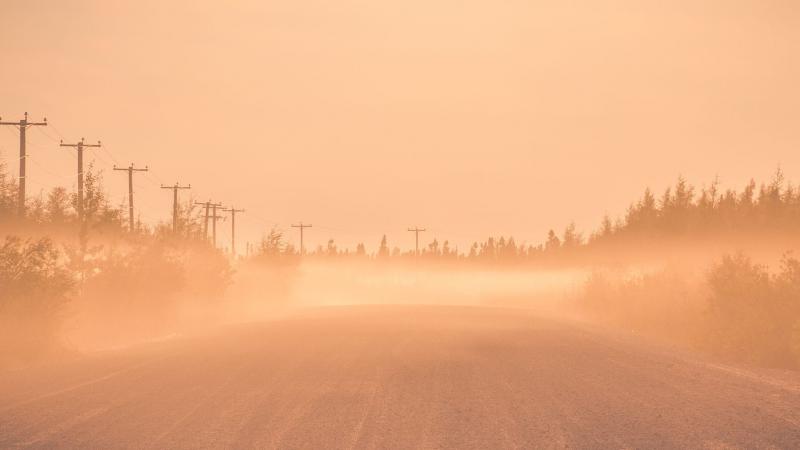
Alors que le feu brûle les forêts et les prairies, il produit une fumée dense qui peut être une source importante de polluants atmosphériques toxiq
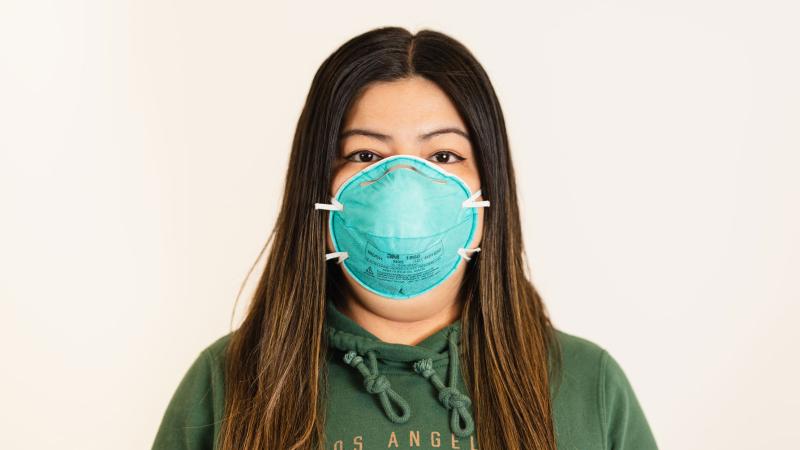
Le Conseil Cri de la santé recommande le port du masque dans certaines situations pour vous protéger et protéger les gens qui vous entourent, en pa
Apprenez à construire un purificateur pour améliorer la qualité de l'air intérieur pendant les épisodes de fumée de feu de forêt.